 |
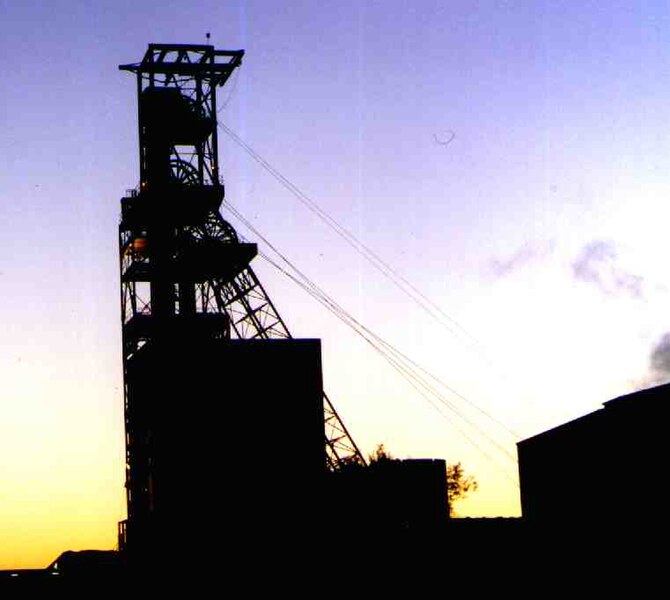
| An example of a shaft mine, the Oryx Mine in South Africa Photo by Babakathy |
A recent question that was posed to the author on www.allexperts.com was how a mine came into being. The questioner realized that a mine is usually large, but how they came into being just eluded him. He thought spelunkers, cave explorers, discovered the minerals while exploring the cave. A few working mines probably were discovered this way. Most mines are purpose dug excavations with three types of mines that are recognized. The people that develop a mine are called mine developers. Although it is nothing more then a large construction job there are enough differences so sometimes this is a specialty in the construction industry.
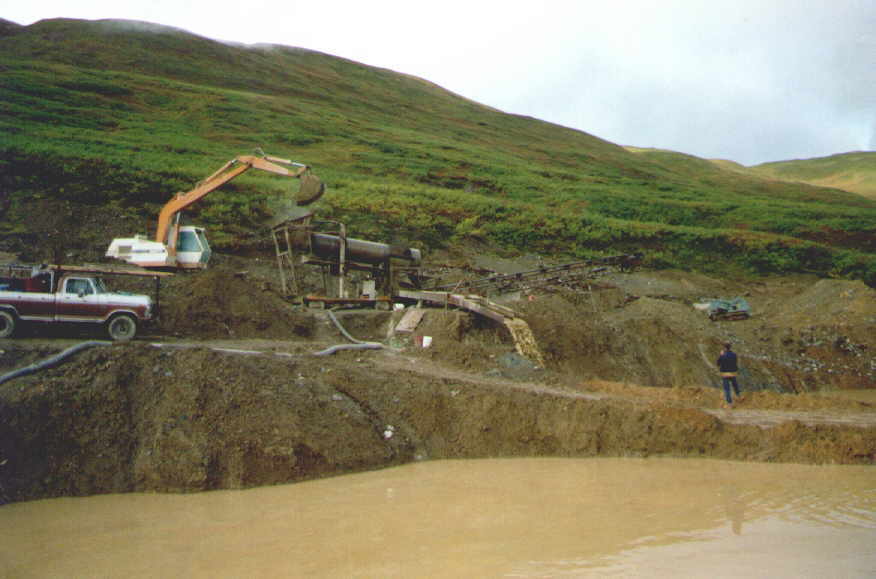 |
| An excavator and trommel in action at a placer mine in Alaska Photo by Dennis Garret |
The first of these mines is the placer mine where through the process of weathering the valuable minerals are released from the bedrock that encloses them. Most of these deposits find their way through the process of soil creep to an ocean or river where they are found in the bedload mixed with many other lighter minerals. Another type of mineral deposit found is the result of weathering in place. The deposits are usually found in the tropics between 32 degrees north and south of the equator. Many of these are found associated with quartz that remains in place while the other minerals are turned to clay around them. The gold and other minerals stay more or less in place waiting to be mined. A placer mine is usually limited to gold production although there are exceptions to the rule other placer mines also produce tin and rare earth minerals.
 |
| Loading ore at an open pit mine in Nevada. Photo by Cornelius M. Keyes |
Other mines are located in bedrock, and usually are called lode mines if they are for mining gold. Basically there are two types open cast that is nothing other then a large hole in the surface of the earth. The other type of bedrock is one underground. Mines of this sort are further subdivided by their way of entrance. One type of mine has a shaft going into the ground with tunnels reaching out from the bottom of the shaft. Some of these mines have several layers reaching out from a central shaft. Other mines of this sort have more then one shaft entering the mine. The other type of bedrock mine uses an “Adit” that is a tunnel going more or less horizontal to the surface of the ground. It costs less to build a mine with an adit then one with a shaft.
 |
| An adit leading into an underground mine in Australia. Photo by Flagstaffotos |
Before any mine is created there must be lots of preliminary work done first. Placer mines are called “poor mans mines” because the preliminary work is often kept to a minimum. The work can be done by one man or a small workforce. Bedrock mines are for more capital intensive then a placer mine sometimes for a truly large mine it exceeds 1 billion dollars before any ore is extracted.


